Darknet Markets 2026:
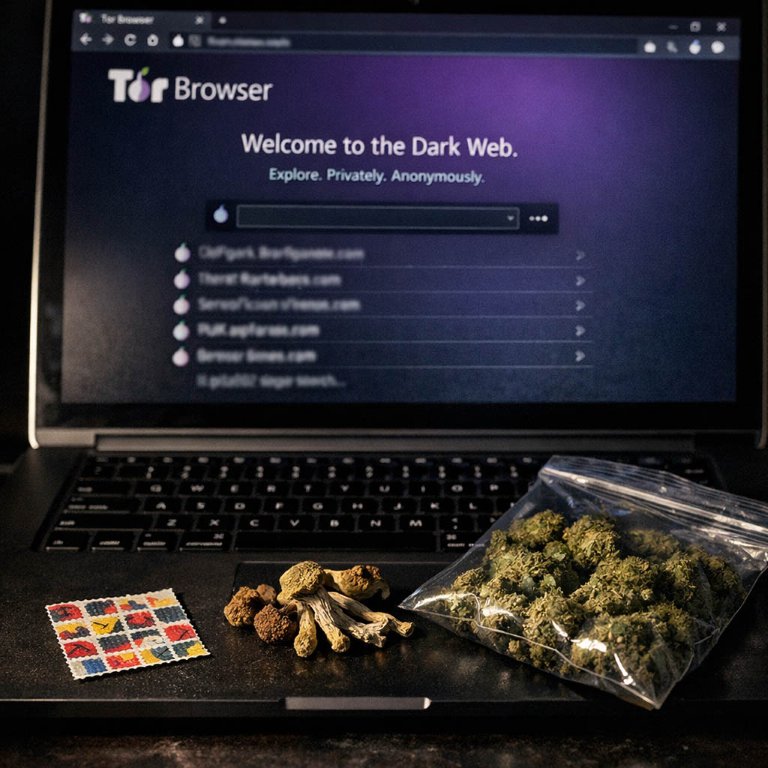
The dark web is part of the deep web but is built on darknets: overlay networks that sit on the internet but which can't be accessed without special tools or software like Tor. Tor is an anonymizing software tool that stands for The Onion Router — you can use the Tor network via Tor Browser.
| Darknet Market | Established | Total Listings | Link |
|---|---|---|---|
| TorZon Market | 2022 | 140+ | Onion Link |
| Nexus Market | 2024 | 600+ | Onion Link |
| Abacus Market | 2022 | 100+ | Onion Link |
| Ares | 2026 | 100+ | Onion Link |
| Cocorico | 2023 | 110+ | Onion Link |
Updated 2026-09-15
How Darknet Markets Work: Secure Trade with Crypto and Reviews
Darknet sites facilitate commerce by integrating cryptocurrency and user review systems. These components create a functional environment for transactions that users perceive as safe and reliable.
Cryptocurrencies like Bitcoin and Monero provide the payment mechanism. They allow for direct transfers without involving traditional financial institutions. This method preserves financial privacy for both buyers and sellers. The blockchain ledger ensures transaction transparency and immutability, making disputes about payment easier to resolve. Funds are typically held in escrow by the marketplace until the buyer confirms receipt, which directly protects the buyer's investment.
The reliability of a seller is not assumed but is continuously verified through feedback and reviews. After each transaction, buyers rate the seller and describe their experience with the product and shipping. This generates a persistent reputation score for each vendor. A seller with hundreds of positive reviews establishes a track record of consistent quality and service. This system empowers buyers to make informed choices and creates a powerful incentive for sellers to maintain high standards. Poor quality or scams result in negative public feedback, which harms future sales.
These elements work together operationally:
- A buyer selects a vendor based on their review history.
- Payment is made in cryptocurrency to the escrow service.
- After receiving the product, the buyer releases the escrow and leaves feedback.
This cycle builds a self-regulating marketplace. Trust is decentralized, derived from verifiable data rather than a central authority. The result is a trading platform where product quality and transactional security are maintained by the market participants themselves through the tools provided.
Escrow Makes Darknet Trade Safe and Reliable
Escrow services are the central mechanism for trust on darknet sites. They act as a neutral third party in a transaction. When a buyer places an order, their cryptocurrency is held by the escrow system, not immediately sent to the seller. This secures the payment until the buyer confirms satisfactory receipt of the product. Only then is the funds released. This process directly addresses the inherent uncertainty of anonymous commerce.
The escrow model incentivizes honest behavior from both parties. Sellers are motivated to ship products promptly and maintain quality, knowing payment is guaranteed upon confirmation. Buyers can inspect their purchases without fear of losing funds to fraudulent vendors. Disputes are mediated through the platform's resolution system, where evidence from both sides is reviewed. Common outcomes include partial refunds or full releases of funds, ensuring a balanced resolution.
This system creates a self-reinforcing cycle of reliability. Successful transactions build a seller's reputation, which is visible through user feedback and reviews. New buyers can then make informed choices based on this documented history. The combined effect of escrow and transparent reviews establishes a predictable trading environment. It transforms anonymous markets into functional platforms where secure, reliable commerce is not an exception but the standard operational procedure.
How Reviews on the Darknet Ensure Good Quality
The feedback and review systems on darknet sites are fundamental to establishing a predictable and secure commercial environment. These platforms function as self-regulating ecosystems where transactional data and cryptocurrency alone are insufficient for maintaining standards. The direct, detailed accounts from previous buyers provide the necessary context for evaluating a seller's reliability and product quality before any funds are committed.
This mechanism creates a powerful form of decentralized quality control. Vendors with consistently positive reviews and high ratings gain visibility and commercial success, while those with negative feedback regarding product purity, weight, or shipping practices are quickly marginalized. The review process is granular, often including:
- Laboratory analysis results of substance purity
- Accuracy of the advertised weight or quantity
- Stealth and efficiency of packaging and shipping
- Speed and clarity of communication with the vendor
Cryptocurrency payments are integral to this model, as they enable the escrow service that underpins the review system's honesty. Funds are held in escrow by the marketplace until the buyer confirms satisfactory receipt of the order. This prevents sellers from receiving payment for substandard or undelivered goods and removes the buyer's incentive to falsely claim non-receipt to secure a refund. Only after the escrow is released can the buyer leave a review, ensuring that feedback is tied to a completed transaction.
The result is a market-driven standardisation of quality. Consumers can make informed choices based on collective experience, which pressures all vendors to maintain high standards to remain competitive. This feedback loop, secured by irreversible and private cryptocurrency transactions, reduces uncertainty and fosters a more reliable and consistent trading platform than would be possible without such transparent, crowd-sourced accountability.
How Crypto and Reviews Make Buying on the Darknet Safe and Reliable
Darknet sites have engineered a commerce system where cryptocurrency and user reviews function as interdependent pillars of security and reliability. The architecture of these platforms leverages the inherent properties of digital currencies to facilitate transactions that are both private and verifiable. Cryptocurrencies like Bitcoin and Monero provide a payment layer that is pseudonymous and does not rely on traditional financial intermediaries. This allows for direct peer-to-peer value transfer, which is fundamental to the operational model.
The integration of a public feedback and review system directly onto vendor profiles creates a powerful mechanism for quality control. Every transaction can culminate in a detailed evaluation, covering product accuracy, shipping speed, and communication. This generates a persistent record of vendor performance, making reputation a tangible and valuable asset. New buyers can consult this history to make informed decisions, which pressures all sellers to maintain high standards. The financial system supports this: payments are typically held in escrow by the platform until the buyer confirms satisfactory receipt, at which point funds are released. This process aligns the interests of both parties and minimizes fraud.
The combination is effective. Cryptocurrency enables the private and secure movement of funds, while the transparent review system enforces accountability. This environment fosters consistent commerce, as vendors with established positive feedback have a clear economic incentive to preserve their status. The result is a self-regulating marketplace where transactional security and product quality are reinforced through technological design and community participation.
How Choice and Reviews Make Darknet Markets Reliable
The extensive catalog of substances available on darknet sites functions as a direct mechanism for market-driven quality control. A platform offering hundreds of listings for a single substance creates immediate and transparent competition. Sellers are incentivized to provide superior products and service to distinguish themselves, as consumers can easily compare options. This environment shifts power to the buyer, who makes informed decisions based on detailed product descriptions, purity metrics, and batch-specific information posted by vendors.
Consumer choice is operationalized through the integrated systems of cryptocurrency payments and user review forums. Cryptocurrency transactions provide a secure and private settlement layer, finalizing deals without linking financial identities to the purchase. This financial privacy is foundational, allowing the review system to function with credibility. After receiving an order, a buyer leaves detailed feedback on the product's accuracy, shipping speed, and communication. These reviews are persistent and public, creating a verifiable reputation for each seller.
The combination of choice, secure payment, and feedback creates a self-regulating ecosystem. A vendor with consistently high ratings and detailed positive reviews gains more business, while a seller with poor feedback or scam allegations loses standing. This feedback loop ensures that reliable vendors thrive. The process is straightforward: a buyer selects a product from a competitive marketplace, uses cryptocurrency for a secure transaction, and then validates the experience through a review, which guides future consumers. This cycle promotes consistency and reliability in commerce.

How Reviews and Crypto Build Trust in Darknet Drug Sales
The operational framework of darknet sites integrates cryptocurrency payments and user review systems to establish a self-regulating commercial environment. Cryptocurrencies like Bitcoin and Monero provide a secure and private transaction layer. This payment method removes traditional financial intermediaries, allowing for direct peer-to-peer exchange. The irreversible and pseudonymous nature of these transactions is counterbalanced by the escrow service, where funds are held by the platform until the buyer confirms satisfactory receipt of goods.
This financial security creates the foundation for the second pillar: transparent user feedback. After a transaction, both parties can leave detailed reviews and ratings. A seller's reputation, visible to all potential buyers, becomes their most valuable asset. Consistently positive feedback, which notes product quality, shipping speed, and communication, directly translates into higher sales volume and the ability to command premium prices. Conversely, negative reviews or scams are quickly documented and disseminated, leading to a loss of trust and effective removal from the marketplace. This creates a powerful economic incentive for sellers to maintain high standards.
The synergy between these systems is clear. The escrow service, secured by cryptocurrency, ensures that payment is contingent upon delivery, protecting the buyer. The review system then provides a verified history of a seller's performance, protecting future buyers. This feedback loop drives market-driven quality control. Sellers compete on reliability and product consistency, not just price, because their long-term viability depends on their accumulated reputation score. The anonymous environment, therefore, does not lead to chaos but to a structured ecosystem where trust is built algorithmically through verified transactions and community accountability, fostering safer and more reliable commerce for all participants.
How Darknet Markets Build Trust for Smooth Transactions
The operational framework of a darknet site is engineered to facilitate secure commerce by integrating cryptocurrency and user review systems directly into its transaction protocol. These platforms function as multi-sided markets where technological features enforce reliability. The use of cryptocurrencies like Bitcoin or Monero provides a fundamental layer of operational security. Payments are cryptographically secured and, due to the pseudo-anonymous nature of blockchain transactions, they reduce financial exposure for both parties. This payment method is native to the environment, eliminating the need for traditional banking infrastructure which is incompatible with the privacy requirements of the platform.
Transaction reliability is systematically enforced through escrow services managed by the marketplace itself. When a purchase is made, the buyer's cryptocurrency is held in escrow by the site's software. The funds are only released to the vendor after the buyer confirms satisfactory receipt of the product. This mechanism aligns the interests of the vendor with honest fulfillment, as payment is contingent upon successful delivery. It transforms a potentially risky anonymous exchange into a bonded transaction.
The user feedback and review system acts as a continuous quality audit. After each completed transaction, buyers can leave detailed ratings and comments on the product's quality and the vendor's service. This generates a persistent reputation score for each vendor, which is publicly displayed. High-rated vendors gain more visibility and business, creating a powerful economic incentive for consistent quality and reliable shipping. New buyers can make informed choices based on this accumulated crowd-sourced data, which details:
- the accuracy of product descriptions,
- the speed and stealth of shipping,
- and the purity or potency of the substance.
These componentscryptocurrency for secure payment, automated escrow for transactional trust, and a transparent review system for quality assurancecreate a self-regulating commercial ecosystem. The operational model effectively mitigates traditional risks of anonymous trade by making reputational capital the most valuable asset for a vendor. Successful markets therefore see vendors competing on service and product quality, driven by the feedback mechanism, which fosters a stable and predictable trading environment for consumers.