Darknet Markets 2026:
The dark web is part of the deep web but is built on darknets: overlay networks that sit on the internet but which can't be accessed without special tools or software like Tor. Tor is an anonymizing software tool that stands for The Onion Router — you can use the Tor network via Tor Browser.
| Darknet Market | Established | Total Listings | Link |
|---|---|---|---|
| TorZon Market | 2022 | 140+ | Onion Link |
| Nexus Market | 2024 | 600+ | Onion Link |
| Abacus Market | 2022 | 100+ | Onion Link |
| Ares | 2026 | 100+ | Onion Link |
| Cocorico | 2023 | 110+ | Onion Link |
Updated 2026-09-15
How to shop for drugs safely on the darknet
Darknet commerce establishes a secure framework for anonymous transactions by integrating several core technologies. Access requires specialized software like Tor, which routes connection data through multiple encrypted layers, effectively concealing a user's location and identity. This foundational anonymity is critical for all subsequent interactions on the platform.
The financial layer relies exclusively on cryptocurrencies such as Bitcoin or Monero. These digital currencies enable pseudonymous payments that are not directly tied to real-world identities, unlike traditional banking. Transactions are recorded on a public ledger, but the parties involved are represented only by wallet addresses, adding a robust financial privacy layer.
Trust is engineered into the system through transparent vendor review and rating systems. Buyers publicly detail their experiences with product quality and shipping, creating a self-regulating community. High-rated vendors build reputational capital, which they are incentivized to protect through consistent reliability. This feedback mechanism significantly reduces fraud risk for buyers.
Further security is provided by escrow services managed by the market platform. Funds are held in escrow by a third party until the buyer confirms satisfactory receipt of the goods. This system protects both parties: sellers are assured of payment commitment, and buyers are protected from non-delivery. Successful completion of this process finalizes the release of funds.
The operational resilience of these markets is enhanced by decentralized hosting and continuous software development. Platforms often utilize infrastructure that is resistant to single points of failure, while open-source code bases allow for rapid iteration and strengthening of security features in response to emerging threats. This creates a dynamic and adaptive trading environment.
How Encryption Makes Shopping on the Darknet Safe and Private
The operational security of darknet commerce is fundamentally dependent on strong encryption. This technology is not an optional feature but the core mechanism that enables safe and anonymous shopping. Every interaction, from browsing product listings to finalizing a deal, is wrapped in layers of cryptographic protection.
This process begins with software like Tor, which encrypts a user's internet traffic multiple times and routes it through a volunteer-run network of servers, obscuring the origin and destination of the data. Access to a market itself is protected, often requiring a unique .onion address that is only reachable through this encrypted network. Once inside, all communications between a buyer and a vendor are typically secured using end-to-end encryption. This means messages are scrambled on the sender's device and can only be descrambled by the intended recipient's device, preventing even the market administrators from reading private conversations.
The integration of cryptocurrency extends this privacy model to the financial layer. Payments made with currencies like Monero or Bitcoin (when used with proper care) do not rely on personal identifiers such as names or bank account numbers. Instead, transactions are recorded on a public ledger using cryptographic addresses, separating financial activity from real-world identity. To further enhance safety, most platforms utilize an escrow service. The buyer's cryptocurrency is held in escrow by the market until the product is received and confirmed, which protects the buyer from fraud and guarantees the vendor will be paid upon successful delivery.
Trust within this anonymous environment is systematically built through vendor rating systems. After each completed transaction, buyers can leave detailed feedback on product quality, stealth of shipping, and communication. This creates a transparent reputation metric for each seller, allowing new buyers to make informed decisions based on collective experience. Reliable vendors with high ratings have a strong incentive to maintain their standing, which fosters a self-regulating ecosystem of quality and reliability.
The entire system demonstrates a high degree of overall efficiency. Continuous software improvements and a shift toward decentralized hosting make the platforms more resilient and secure over time. By combining encryption for anonymity, cryptocurrency for private payment, and crowd-sourced reviews for trust, darknet markets create a functional framework for discreet commerce that operates independently of traditional financial and logistical channels.
Private Crypto Payments Make Darknet Shopping Safer
Cryptocurrency is the financial backbone of darknet commerce, enabling transactions that are both private and secure. Unlike traditional banking, which ties payments to personal identities, cryptocurrencies like Bitcoin and Monero operate on public ledgers that record transactions without revealing the parties involved. This provides a layer of financial privacy previously unavailable.
The process is straightforward. A buyer sends cryptocurrency from their private wallet to the vendor's address, often using an intermediate escrow service held by the market. The transaction is recorded on the blockchain, but only as a transfer between cryptographic addresses. No names, shipping addresses, or bank details are attached to the payment itself. This separation of financial data from physical logistics is fundamental to the system's anonymity.
Some cryptocurrencies enhance privacy further. Monero, for instance, uses advanced cryptographic techniques to obfuscate the sender, receiver, and amount of every transaction, making the financial trail virtually untraceable. This evolution in private crypto payments directly supports a safer shopping environment by minimizing financial exposure for both buyers and vendors.
When combined with the vendor rating systems prevalent on these platforms, cryptocurrency completes a secure economic loop. Buyers can confidently use private payments because they rely on detailed feedback from previous transactions to select trustworthy sellers. This synergy between discreet financial tools and community-driven reputation creates an efficient and resilient marketplace for adult consumers seeking unrestricted access to goods.

How Vendor Ratings Build Trust on the Darknet
The vendor rating system is a fundamental component of darknet commerce, directly enabling safe and anonymous shopping. It functions as a decentralized, community-driven reputation mechanism. After each transaction, buyers leave detailed feedback on the product's quality, the shipping speed, and the vendor's communication. This collective intelligence is aggregated into a public score, often displayed as a percentage or a number of stars next to the vendor's name.
This system creates a self-regulating marketplace where trust is quantifiable. High-rated vendors have a strong economic incentive to maintain their standing by consistently delivering as advertised. They often employ professional packaging and reliable stealth methods to ensure successful delivery, which further reinforces their positive ratings. Conversely, vendors with poor feedback quickly lose business and are marginalized by the market's natural selection.
The integration with escrow services and private cryptocurrency payments completes the trust framework. Funds are held in escrow until the buyer confirms receipt, preventing scams. The final release of payment is typically the trigger for the feedback process, ensuring that reviews are based on completed transactions. This synergy between cryptographic financial privacy and transparent social reputation allows anonymous actors to establish credibility and conduct efficient trade with significantly reduced risk.
How Escrow Keeps Darknet Trades Safe and Fair
Escrow services are a fundamental component that enables secure transactions on darknet markets. They function as a neutral third party, holding the buyer's cryptocurrency payment in a secure account after an order is placed. This mechanism directly addresses the inherent trust deficit in anonymous environments. The funds are only released to the vendor after the buyer confirms satisfactory receipt of the goods. This system protects the buyer from fraudulent vendors who might not ship products, while simultaneously assuring the vendor that payment is secured and cannot be arbitrarily reversed, as with traditional financial chargebacks.
The operational model integrates seamlessly with other privacy features. A transaction begins with a buyer selecting a vendor, often guided by a robust feedback and rating system. After order placement, cryptocurrency is sent to a market-controlled escrow wallet. The vendor is then notified to ship the product. Upon delivery confirmation from the buyer, the escrow service automatically releases the funds to the vendor, minus the market's commission. This creates a balanced ecosystem where decentralized hosting ensures platform availability, strong encryption protects communication, and escrow mitigates financial risk.
The continuous evolution of market software has refined escrow protocols, introducing features like:
- Multisignature (multisig) escrow, which requires two out of three cryptographic keys (buyer, vendor, market) to release funds, further reducing dependency on the market operator.
- Dispute resolution systems where moderators can review evidence if a transaction fails, adjudicating the fair release of escrowed funds.
This structured approach transforms anonymous commerce into a viable economic system. By institutionalizing trust through automated, code-based escrow, darknet markets achieve a high degree of transactional reliability and overall efficiency, facilitating safe and anonymous shopping with private crypto payments.

How Darknet Markets Improve Their Software and Security
The software infrastructure of darknet markets operates on a principle of continuous iterative development, driven by community feedback and the necessity to counter external threats. This evolutionary process is not centralized but emerges from the collaborative efforts of open-source developers and operational security experts. Each identified vulnerability or feature request leads to code revisions, which are then reviewed and implemented in subsequent releases.
Security enhancements are paramount. Over time, encryption protocols are upgraded, moving from older standards to more robust algorithms. The implementation of multi-signature escrow transactions, for instance, required significant software upgrades that decentralized financial risk. Similarly, improvements in Tor service integration and resistance to denial-of-service attacks make the platforms more resilient and available.
The user interface and experience also see marked improvements, which directly contribute to safety. More intuitive design reduces user error, a critical factor in maintaining operational security. Key areas of software advancement include:
- Automated and encrypted backup systems for vendor and buyer data.
- Enhanced two-factor authentication (2FA) methods beyond basic PGP.
- Sophisticated dispute resolution modules that integrate escrow and moderator tools.
This cycle of code audit, update, and deployment creates a progressively more secure environment. The software's adaptability ensures that the ecosystem can integrate new cryptographic currencies and adopt novel privacy techniques, thereby sustaining a reliable framework for anonymous commerce.
How Decentralized Hosting Keeps Darknet Markets Online
The resilience of darknet commerce is fundamentally tied to its decentralized infrastructure. Unlike traditional websites hosted on a single server, leading darknet markets operate as onion services within the Tor network. This architecture distributes the platform's presence across multiple, volunteer-run nodes globally, making it exceptionally resistant to downtime and centralized takedowns.
This distributed model ensures continuous availability, which is critical for maintaining the ecosystem's functions. Buyers and vendors rely on consistent access to manage orders, finalize escrow transactions, and update vendor ratings. If a market were hosted centrally, a single law enforcement action or technical failure could collapse the entire system, disrupting all ongoing transactions and eroding trust. The onion model prevents this by design, allowing the market to remain online as long as at least some entry points and the service itself are reachable within the Tor network.
The technical implementation involves:
- Creating a hidden service with a unique .onion address.
- Advertising this address through multiple, redundant channels.
- Routing all traffic through encrypted Tor circuits, which obscures the physical location of the servers.
This approach directly supports safe and anonymous shopping by providing a stable platform where private crypto payments can be processed and trusted vendor reviews can accumulate over time. The platform's persistence allows for the organic development of vendor reputations and the consistent application of security protocols, which are the bedrock of reliable darknet trade.
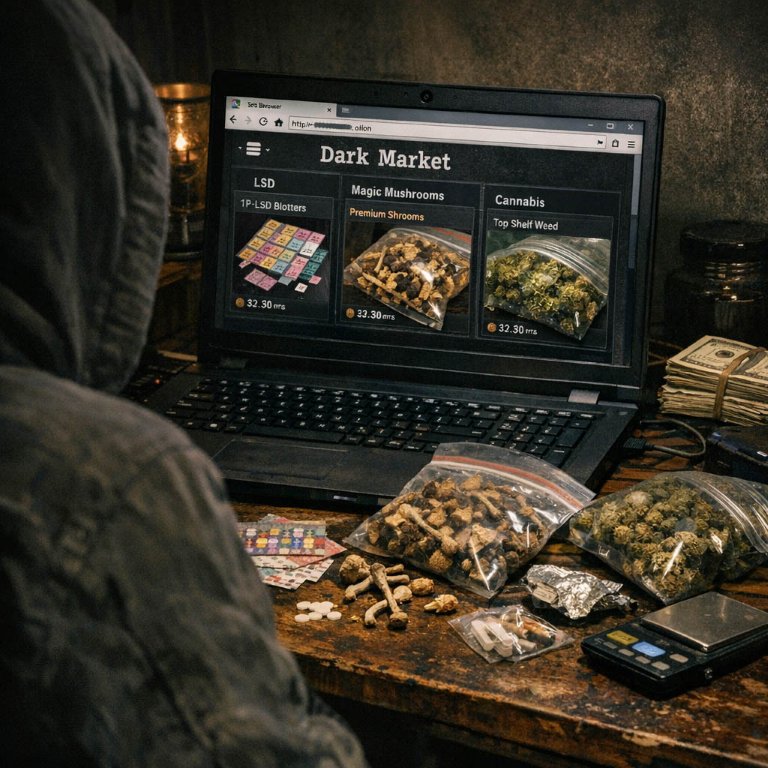
How Darknet Markets Build Efficient and Secure Trade
The operational efficiency of darknet markets stems from a self-reinforcing ecosystem that mirrors and often improves upon conventional e-commerce models. At its core, the system integrates cryptocurrency payments, encrypted communication, and a decentralized hosting infrastructure to create a resilient trading environment. This integration allows for transactions that are both private and secure from external interference, facilitating a smooth flow of goods and services.
Transaction safety is primarily managed through escrow services and a reputation-based feedback system. When a buyer places an order, funds are held in escrow by the market software until the product is received and confirmed. This mechanism protects the buyer from fraudulent vendors. Simultaneously, the public vendor rating and review system allows buyers to make informed decisions based on historical performance, creating powerful economic incentives for vendors to maintain high standards of product quality and reliable shipping. This feedback loop continuously filters out bad actors and elevates trustworthy sellers.
Technological evolution is constant. Market developers iteratively improve platform code to patch vulnerabilities, enhance end-to-end encryption for private messages, and refine the user interface. This ongoing development, combined with decentralized hosting on networks like Tor (the ".onion" ecosystem), ensures high availability and resistance to takedowns. The result is a persistent and adaptable marketplace.
The culmination of these componentsprivate payments, enforced trust via escrow, crowd-sourced vendor reviews, and robust softwarecreates a highly efficient commercial system. It demonstrates that complex trade can be conducted securely and anonymously, driven by pragmatic solutions to the inherent challenges of decentralized commerce. The efficiency is measured in the system's ability to autonomously manage risk, build trust between strangers, and complete transactions without the need for traditional legal or financial intermediaries.