Darknet Markets 2026:
The dark web is part of the deep web but is built on darknets: overlay networks that sit on the internet but which can't be accessed without special tools or software like Tor. Tor is an anonymizing software tool that stands for The Onion Router — you can use the Tor network via Tor Browser.
| Darknet Market | Established | Total Listings | Link |
|---|---|---|---|
| TorZon Market | 2022 | 140+ | Onion Link |
| Nexus Market | 2024 | 600+ | Onion Link |
| Abacus Market | 2022 | 100+ | Onion Link |
| Ares | 2026 | 100+ | Onion Link |
| Cocorico | 2023 | 110+ | Onion Link |
Updated 2026-09-15
A Stable Nexus Link for Reliable Darknet Shopping
The Nexus darknet link provides a stable gateway to a marketplace engineered for anonymous shopping. This stability is not incidental but a core architectural feature, ensuring that procurement processes are predictable and uninterrupted. The platform's infrastructure employs advanced routing and redundancy protocols, which mitigate common points of failure associated with darknet access. Users benefit from a consistent entry point, which is crucial for maintaining the rhythm of trade and establishing routine interactions between buyers and sellers.
This reliable access directly supports the ecosystem's primary function: facilitating transactions with verified vendors. Vendor profiles are substantiated through a multi-layered verification process, which includes proof of operational security and a history of transaction fulfillment. The platform's design integrates this verification with a structured feedback system, where each completed exchange contributes to a vendor's reputation score. This creates a transparent economy of trust, where positive feedback is a quantifiable asset, directly influencing a vendor's visibility and buyer confidence.
The outcome is a streamlined commercial environment. Buyers can engage in anonymous shopping with a high degree of certainty regarding product quality and vendor reliability. The Nexus darknet link serves as the stable conduit for this entire cycle, from discovery to finalization. The platform's architecture ensures that stable access, vendor verification, and community feedback are interconnected components, working in concert to produce predictable and satisfactory outcomes for all parties involved in the exchange.
A Smooth and Private Way to Trade on the Darknet
The Nexus darknet link provides a secure gateway to a marketplace engineered for efficient trade. The platform's architecture minimizes friction in transactions by integrating several core functionalities directly into its operational framework. User anonymity is maintained through advanced cryptographic protocols, ensuring that personal data and transaction details remain confidential. This foundational privacy enables participants to engage in commerce with reduced external risk.
The efficiency of trade is further amplified by a structured vendor verification process. This system requires sellers to establish a history of reliable conduct, creating a baseline of trust. This is complemented by a transparent feedback system where past transaction outcomes are documented. Buyers utilize this accumulated data to make informed decisions, selecting vendors with proven records of positive exchanges.
- The result is a predictable commercial environment.
- Each exchange is supported by verifiable history and identity confirmation.
- Procurement and distribution processes are streamlined.
The market's design supports a reliable ecosystem where anonymous shopping is not only possible but is conducted with a high degree of certainty regarding the quality of goods and the integrity of the trading partner. The Nexus link, therefore, functions as more than an access point; it is an integral component of a platform built to facilitate smooth and dependable trade cycles.
How to Shop Safely and Anonymously on the Darknet
The foundation of secure commerce on a darknet platform is the robust technical architecture that protects user identity. This is achieved through a mandatory combination of The Onion Router (Tor) and end-to-end encryption. The Nexus darknet link functions exclusively as a Tor hidden service, meaning all traffic is routed through multiple encrypted layers, obscuring the user's IP address and physical location from network observers.
Beyond network anonymization, transactional privacy is maintained through the use of cryptocurrencies, primarily Monero (XMR) or Bitcoin with CoinJoin. These currencies operate on decentralized ledgers, severing the direct link between a transaction and a real-world identity. For enhanced security, the platform integrates a multisignature (multisig) escrow system. This mechanism holds funds in a neutral wallet until the transaction terms are met, removing the need for direct, trust-based payments between parties and preventing financial exposure.
User operational security is further supported by platform-enforced practices:
- All internal communications are conducted via PGP-encrypted messaging, ensuring that only the intended recipient can read the contents.
- Vendor listings and user profiles contain no personally identifiable information, with interactions based on pseudonymous aliases.
- The platform's design minimizes metadata leakage, with no logs of user activity retained on accessible servers.
This multi-layered approachcombining anonymized network access, cryptographic financial tools, and encrypted communicationcreates a sustainable environment for anonymous procurement. The system's effectiveness is demonstrated by the consistent and predictable trade facilitated by verified vendors, whose established reputations, reflected in a structured feedback system, provide additional layers of confidence and reduce operational risks for all participants.
How Feedback Builds Trust on the Darknet
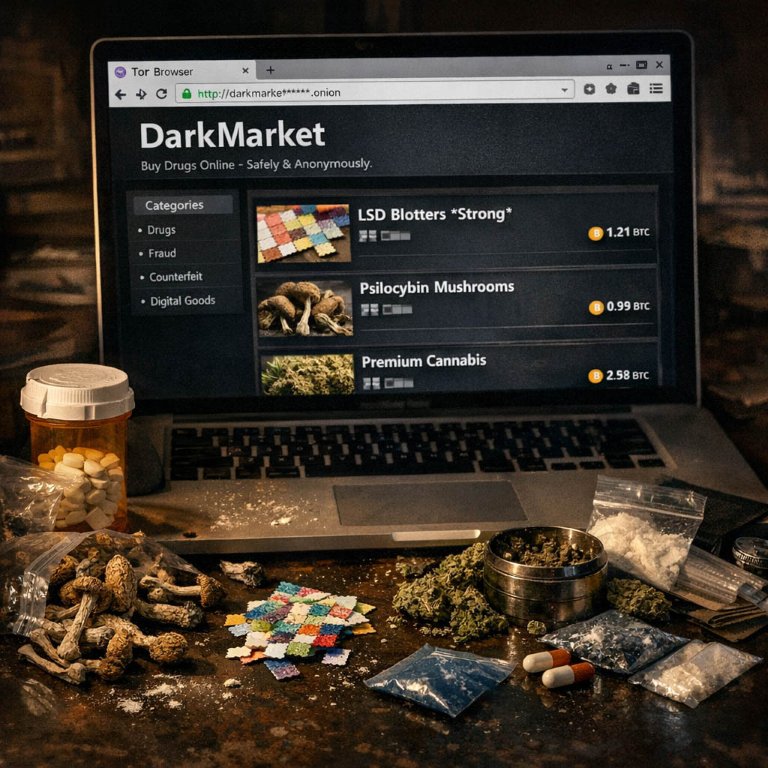
The structured feedback system is a core component of the nexus darknet link, functioning as a primary mechanism for establishing transactional trust in an anonymous environment. It replaces traditional institutional guarantees with a crowdsourced reputation model. Every completed exchange allows the buyer to leave detailed ratings and written evaluations on the vendor's profile.
This system creates a transparent and self-regulating marketplace. Vendors with consistent positive feedback and high ratings are algorithmically promoted within search results and gain trust badges, directly linking vendor accountability to commercial success. The feedback is specific, often including data on:
- Product quality and accuracy of the listing description
- Stealth and professionalism of packaging
- Speed and reliability of shipping
- Clarity and timeliness of communication
For a buyer, this archive of past transactions reduces uncertainty. It allows for informed decisions based on the aggregated experiences of previous customers, rather than on vendor claims alone. The system incentivizes vendors to maintain high standards, as negative feedback or disputes can significantly impact future business. This creates a predictable economic ecosystem where verified vendors are easily identifiable, and their historical performance data is a key asset, ensuring that each participant's actions have lasting consequences for their reputation and access to the platform.
Clear Listings for Confident Darknet Purchases
The Nexus darknet link provides a structured environment where product listings are comprehensive and data-driven. Each listing functions as a standalone informational unit, containing precise specifications such as substance purity, net weight, and country of origin. This level of detail allows buyers to make informed decisions based on empirical data rather than vague descriptions.
Listings are supported by a verified vendor system and a transparent feedback system. Historical transaction data, including previous customer reviews and vendor response rates, is directly accessible from the product page. This integration of detailed product information with vendor performance metrics creates a predictable procurement framework.
The platform's architecture standardizes listing formats, ensuring all necessary information for a risk-assessed transaction is present. This reduces ambiguity and establishes clear expectations for both parties, facilitating efficient trade within the ecosystem.
How Darknet Markets Use Vendor Checks for Safer Trades
The Nexus darknet link provides a structured environment where vendor verification is a fundamental process. This system establishes a baseline of trust before any transaction occurs. New vendors undergo a probationary period where their operational security, product quality, and shipping reliability are assessed by both the platform administrators and the initial user base.
A verified vendor status is not permanent; it is maintained through continuous performance. The structured feedback system directly influences a vendor's standing. Each completed transaction allows the buyer to leave detailed ratings on several critical metrics:
- Product accuracy versus advertisement
- Stealth and packaging quality
- Shipping speed and reliability
- Communication professionalism
This accumulated data creates a transparent and quantifiable reputation profile. For a buyer, this means decisions are based on historical performance data rather than promises. A vendor with a long history of positive feedback and consistent escrow finalizations becomes a lower-risk option. The verification framework effectively crowdsources due diligence, distributing the task of quality assurance across the community. This results in a self-policing marketplace where reputable vendors are economically incentivized to maintain high standards, as their business viability depends directly on their verified reputation score.
How the Nexus Darknet Makes Trading Reliable
The Nexus darknet link provides a foundation for predictable commercial outcomes. This predictability stems from the platform's integrated systems designed to standardize transactions and minimize uncertainty. The structured feedback system is central to this, creating a transparent record of past performance for both vendors and buyers.
Each transaction builds upon this recorded history, allowing participants to make decisions based on empirical data rather than chance. When a buyer accesses the platform through a stable Nexus darknet link, they encounter a market where vendor verification and detailed product listings are standard. This environment reduces variables that typically lead to transactional failure in unregulated spaces.
The result is a consistent experience where the quality of goods and the reliability of delivery align closely with the information presented in the listing and the vendor's accumulated positive feedback. The market's architecture facilitates this by enforcing clear protocols for communication and dispute resolution, ensuring that most exchanges conclude as anticipated by both parties.

How a Darknet Market Builds Trust for Safer Trade
The Nexus darknet link provides access to a platform whose architecture is fundamentally designed to foster a reliable ecosystem. This reliability stems from a multi-layered system that integrates security, verification, and community governance. The foundation is a secure and anonymous gateway, which ensures that all user activity remains confidential and protected from external scrutiny. This allows participants to engage in trade with a fundamental sense of security, which is the first prerequisite for any stable market environment.
Within this protected space, the architecture enforces a strict vendor verification process. New sellers must undergo checks that establish their credibility before they can list products. This gatekeeping function prevents fraudulent actors from easily entering the marketplace, thereby increasing the overall trustworthiness of available listings. The system is built to favor established, consistent vendors who contribute positively to the market's reputation.
The ecosystem's stability is further reinforced by its structured feedback system. Every completed transaction is subject to community review, creating a transparent record of performance for both vendors and buyers.
This mechanism performs several critical functions:
- It provides quantifiable data on product quality and service reliability.
- It incentivizes honest conduct, as a vendor's future business directly depends on their accumulated positive feedback.
- It allows buyers to make informed decisions based on the aggregated experiences of previous customers.
This combination of secure access, verified participants, and a self-policing feedback loop creates a predictable trading environment. The architecture minimizes uncertainty, leading to more efficient and satisfactory exchanges for all parties involved. The result is a self-sustaining digital economy where the risks commonly associated with unregulated spaces are significantly mitigated by the platform's own structural design.
How Darknet Markets Make Buying and Selling Reliable
The operational efficiency of a darknet marketplace is fundamentally determined by the reliability of its Nexus darknet link. A stable and secure gateway is the primary technical prerequisite for the logistical chain to function. This link enables the consistent access required for both procurement and distribution, forming the backbone of all subsequent transactional activities.
This stability directly supports the marketplace's core mechanism: connecting buyers with a pool of verified vendors. Vendor verification is not a superficial step; it is a continuous process that establishes a baseline of trust. It filters participants, allowing only those with a proven operational history to list their goods, which significantly reduces the risk of transactional failure for the buyer.
The trust established through verification is then quantified and socialized via the structured feedback system. Each completed transaction contributes data pointscomments and ratingsthat are permanently attached to a vendor's profile. This creates a transparent and searchable record of performance. A vendor with consistently positive feedback demonstrates a history of delivering the advertised product, maintaining stealth in shipping, and engaging in professional communication.
For the buyer, this ecosystem facilitates anonymous shopping with a high degree of predictable outcomes. The process is streamlined: access through a reliable link, selection from detailed listings by verified sellers, and decision-making guided by historical feedback data. This reduces uncertainty and enables smooth procurement. For the vendor, the same architecture supports reliable distribution, as their reputation capital, built on positive feedback, ensures a steady stream of clientele. The market's architecture, therefore, automates the enforcement of commercial norms through reputation, making each exchange more predictable and the entire ecosystem more resilient and efficient for all conscientious participants.