Darknet Markets 2026:
The dark web is part of the deep web but is built on darknets: overlay networks that sit on the internet but which can't be accessed without special tools or software like Tor. Tor is an anonymizing software tool that stands for The Onion Router — you can use the Tor network via Tor Browser.
| Darknet Market | Established | Total Listings | Link |
|---|---|---|---|
| TorZon Market | 2022 | 140+ | Onion Link |
| Nexus Market | 2024 | 600+ | Onion Link |
| Abacus Market | 2022 | 100+ | Onion Link |
| Ares | 2026 | 100+ | Onion Link |
| Cocorico | 2023 | 110+ | Onion Link |
Updated 2026-09-15
How Darknet Anonymity Makes Drug Trade Safe and Reliable
The foundational feature of darknet commerce is the systematic separation of a user's identity from their transactional activity. This is achieved through the combined use of specialized software, cryptographic protocols, and network routing. The Tor network obfuscates a user's IP address, while pseudonymous handles replace real names. This architectural principle directly enables a marketplace where personal reputation and transactional history, rather than legal identity, become the primary currencies of trust.
This anonymity is operationalized and made economically viable through two critical mechanisms: cryptocurrency payments and escrow services. Cryptocurrencies like Bitcoin or Monero provide a payment layer that is natively pseudonymous and disintermediated, removing financial institutions from the transaction flow. However, the irreversible nature of crypto payments creates a trust dilemma. This is resolved by automated escrow systems held by the market platform. Funds are only released to the vendor after the buyer confirms satisfactory receipt of the goods, which dramatically reduces the incidence of fraud and creates a secure environment for both parties.
The final layer of trust and quality assurance is built organically by the user base through a transparent review and rating system. Every transaction can be accompanied by detailed feedback and a numeric rating, creating a persistent record for each vendor and product. This system allows buyers to make informed choices based on collective experience, fostering a competitive environment where vendors are incentivized to maintain high standards of product quality, stealth in shipping, and customer service. The structure creates a self-regulating ecosystem where anonymity does not equate to a lack of accountability.
- Anonymity is engineered via Tor and pseudonyms, separating identity from action.
- Cryptocurrencies enable private, peer-to-peer value transfer.
- Escrow services secure transactions by holding funds until delivery is confirmed.
- User reviews and ratings build reputational capital and guide consumer choice.
Together, these components form a resilient framework for commerce. The integration of strong anonymity, secure financial settlement, and crowd-sourced reputation management allows darknet markets to function with a remarkable degree of reliability and efficiency, facilitating trade based on demonstrated performance rather than geographic location or legal status.
How Cryptocurrencies Make Darknet Shopping Safe and Easy
The integration of cryptocurrencies like Bitcoin and Monero is fundamental to the darknet market ecosystem, providing a necessary layer of financial privacy. These digital currencies allow buyers and sellers to transact without the oversight of traditional banking systems, effectively separating financial identity from marketplace activity. This privacy is not an abstract feature but a practical requirement for the function of these platforms, enabling commerce that would otherwise be impossible.
This financial anonymity is then operationalized through the escrow system, which acts as a neutral third party to secure every transaction. When a purchase is made, the buyer's cryptocurrency is held in escrow by the market platform itself. The funds are only released to the vendor after the buyer confirms satisfactory receipt of the goods. This mechanism directly addresses the inherent trust deficit in anonymous environments, effectively eliminating the risk of fraud for the buyer and ensuring reliable payment for the seller. The escrow model creates a self-enforcing framework for honest trade.
The final critical component is the transparent system of user reviews and ratings. After a transaction is completed, buyers leave detailed feedback on product quality, vendor communication, and shipping discretion. This crowdsourced data accumulates on each vendor's profile, creating a powerful reputation metric. New users can make informed choices based on the experiences of others, which in turn incentivizes vendors to maintain high standards. A vendor with consistently positive reviews attracts more business, while one with poor feedback is quickly marginalized.
Together, these elements form a coherent and resilient system:
- The cryptocurrency provides private payment.
- The escrow service guarantees transactional security.
- The review system builds trust and ensures quality.
How Escrow Builds Trust for Safe Darknet Purchases
The fundamental challenge for any remote commerce is the lack of simultaneous exchange. A buyer risks paying for goods that are never shipped, while a vendor risks shipping products without receiving payment. Darknet markets solve this through a cryptocurrency escrow system. When a purchase is made, the buyer sends the cryptocurrency not directly to the vendor, but to a market-controlled escrow account. The funds are locked there, visible to both parties but inaccessible. Only after the buyer receives the order and confirms its satisfactory completion are the funds released to the vendor. This mechanism aligns the incentives of both parties, as the vendor is motivated to ship a quality product to trigger the release of payment.
The escrow model is reinforced by the transparent user review and rating system. Each transaction can be accompanied by detailed feedback and a numeric rating, creating a persistent record of a vendor's reliability and product quality. This public ledger of past performance allows buyers to make informed choices, favoring established vendors with high ratings. For vendors, maintaining a strong reputation becomes a valuable commercial asset, directly impacting sales. The combination of escrow and reviews creates a self-regulating environment where trust is built and verified through repeated, successful transactions, reducing the inherent risk of anonymous trade to a manageable level.
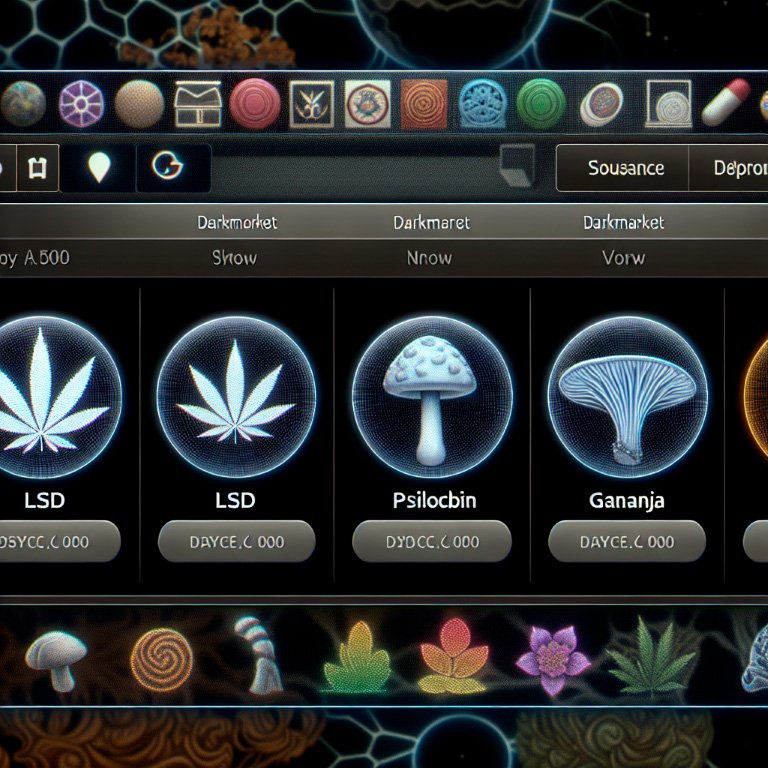
A Wide Selection of Products in the Darknet
The range of products on darknet markets is vast, extending far beyond the commonly discussed categories. While substances like cannabis, stimulants, and psychedelics represent a significant segment, these platforms function as comprehensive, specialized e-commerce ecosystems. Users can procure digital goods such as software licenses, cybersecurity tools, and tutorials. The markets also serve as a hub for various lifestyle and personal items, including prescription medications, cosmetic products, and niche supplements that may be restricted or overpriced in conventional retail channels.
This diversity is fundamentally enabled by the core operational framework of these platforms. The integration of cryptocurrency payments provides the necessary financial privacy for both vendors and buyers to engage in trade without traditional banking oversight. The escrow system is critical for securing these diverse transactions; funds are held by the market until the buyer confirms receipt and quality of the goods, which mitigates the risk of fraud for non-standardized items. Furthermore, the user review and rating system builds a layer of communal trust and quality control. Detailed feedback on product purity, shipping discretion, and vendor communication allows for informed consumer choice, fostering a self-regulating environment where reputable sellers thrive based on verifiable performance.
The resulting marketplace is resilient and demand-driven. The product catalog directly reflects user needs and desires that are not adequately met by surface web commerce, whether due to legality, cost, or privacy concerns. The mechanisms of crypto-anonymity, secured escrow, and transparent peer reviews collectively create a functional environment where this wide variety of goods can be exchanged safely and efficiently, demonstrating a sophisticated adaptation of e-commerce principles to a unique context.
How User Reviews Build Trust on the Darknet
User reviews form the foundational reputation system that replaces traditional institutional guarantees on darknet markets. Each transaction concludes with a buyer leaving detailed feedback on product quality, shipping speed, and vendor communication. This creates a transparent and self-regulating environment where vendors with consistently positive reviews rise in search rankings, while those with negative feedback are quickly marginalized.
The review process is comprehensive, often including:
- Numerical ratings for product and service
- Verification photos of the received items
- Descriptions of stealth packaging methods
- Notes on shipping times and reliability
This crowdsourced data directly informs buyer choice, allowing for informed comparisons between vendors offering similar products. The system effectively mitigates fraud by making poor performance publicly visible and permanent. Consequently, vendors are economically incentivized to maintain high standards, as their business viability depends directly on their accumulated reputation score. This organic feedback loop creates a stable marketplace where trust is quantitatively measured and continuously updated by the user community itself.

How Darknet Markets Make Drug Trade Efficient
The operational efficiency of darknet markets is a direct result of their design, which solves core problems of illicit commerce. These platforms function as streamlined digital intermediaries, connecting buyers and sellers globally with a speed and reliability that traditional illicit distribution networks cannot match. The process is standardized: a seller lists an item, a buyer selects it, and the platform's integrated systems handle the rest.
This efficiency is built on three pillars: cryptocurrency, escrow, and reputation. Cryptocurrencies like Bitcoin and Monero enable near-instantaneous, borderless payments that are difficult to trace. Upon purchase, funds are held in a multisignature escrow controlled by the market, not released to the seller until the buyer confirms satisfactory receipt. This mechanism eliminates the risk of simple fraud for the buyer and guarantees payment for the honest seller, creating a secure transactional environment.
The system is further optimized by user reviews. Each transaction concludes with detailed feedback and rating, building a transparent reputation score for every vendor. This creates a self-regulating ecosystem where high-quality, reliable sellers thrive, and poor performers are quickly marginalized. Buyers make informed choices based on historical performance data, reducing uncertainty.
Logistical efficiency is also high. Vendors compete on shipping times, stealth packaging, and customer service, driving innovation in secure delivery. The entire cyclefrom browsing and ordering to payment, shipping, and feedbackis condensed into a user-friendly interface that mirrors legitimate e-commerce, minimizing friction and maximizing throughput for all parties involved.
How Darknet Markets Build Trust and Keep Business Flowing
The economic resilience of darknet trade is fundamentally enabled by a self-reinforcing ecosystem designed for secure and anonymous commerce. This system integrates several key components that collectively foster stability and continuous operation, even amidst external pressures.
At its core, the use of cryptocurrencies like Bitcoin and Monero provides the necessary financial privacy. These currencies allow for pseudonymous transactions that are difficult to trace, separating a user's financial identity from their market activity. This layer of financial anonymity is the first critical pillar, encouraging broader participation by mitigating a primary risk.
The transaction security model is then solidified through crypto escrow services managed by the market itself. This mechanism holds the buyer's funds in a secure, third-party account until the goods are delivered and confirmed. It effectively eliminates the risk of direct fraud for both parties: sellers are assured of payment, and buyers are protected from non-delivery. This built-in trust mechanism is a primary driver of reliable economic exchange on these platforms.
Furthermore, a robust system of user reviews and ratings creates a transparent feedback loop. Every transaction can be evaluated, building a merchant's reputation over time. This crowdsourced accountability allows buyers to make informed choices based on historical performance, pushing vendors to maintain high standards of product quality and service. The review system acts as a decentralized quality control and trust metric, reducing information asymmetry.
The combination of these features creates a resilient market structure:
- Cryptocurrencies ensure private financial movement.
- Escrow services technically enforce transactional honesty.
- User reviews cultivate a culture of accountability and informed choice.
This design allows darknet markets to adapt and persist. When one platform is compromised, the underlying modelprivacy, enforced trust, and reputationis rapidly replicated in new iterations. The economic activity is resilient because the framework successfully addresses the core requirements of its participants: safety, anonymity, and reliability in commerce.

How Darknet Markets Build Trust and Safety
The evolution of darknet markets is a direct response to user demand for security and reliability. These platforms operate on principles of continuous adaptation, where each structural improvement directly enhances the safety and anonymity of commerce. The core mechanism enabling this is the multisignature cryptocurrency escrow system. This technical solution automates trust by holding a buyer's funds in a secure, third-party wallet until the goods are delivered and confirmed. It effectively eliminates the risk of fraud by either party, as the vendor cannot access the payment without the buyer's cryptographic release, and the buyer cannot reclaim funds after confirming receipt. This built-in, impartial system forms the bedrock of secure transaction finality.
Parallel to escrow, the user review system creates a transparent and self-regulating environment. Every completed transaction can be rated and described in detail, generating a persistent reputation score for each vendor. This public ledger of past performance allows new buyers to make informed choices based on the documented experiences of others. Vendors with consistently high ratings and positive feedback naturally gain more business, incentivizing honest conduct and high-quality service. The review system acts as a powerful community-driven moderation tool, filtering out bad actors and promoting those who reliably fulfill orders.
Market administrators further refine these structures by implementing layered operational security. This includes:
- Mandatory use of Tor or I2P for all access, encrypting user traffic and obscuring network origins.
- Requiring PGP encryption for all sensitive communication, ensuring that addresses and order details remain private even from the platform itself.
- Designing financial flows that utilize privacy-centric cryptocurrencies like Monero, or Bitcoin with coin mixing, to break the traceability of payments on the blockchain.
These adaptations create a resilient ecosystem where commerce can proceed with minimized risk. The structure itselfcombining cryptographic escrow, crowd-sourced reviews, and strong operational securitycontinuously improves through iterative design. Each market iteration incorporates lessons from previous platforms, leading to more robust, user-centric, and economically stable environments for anonymous trade.