Darknet Markets 2026:
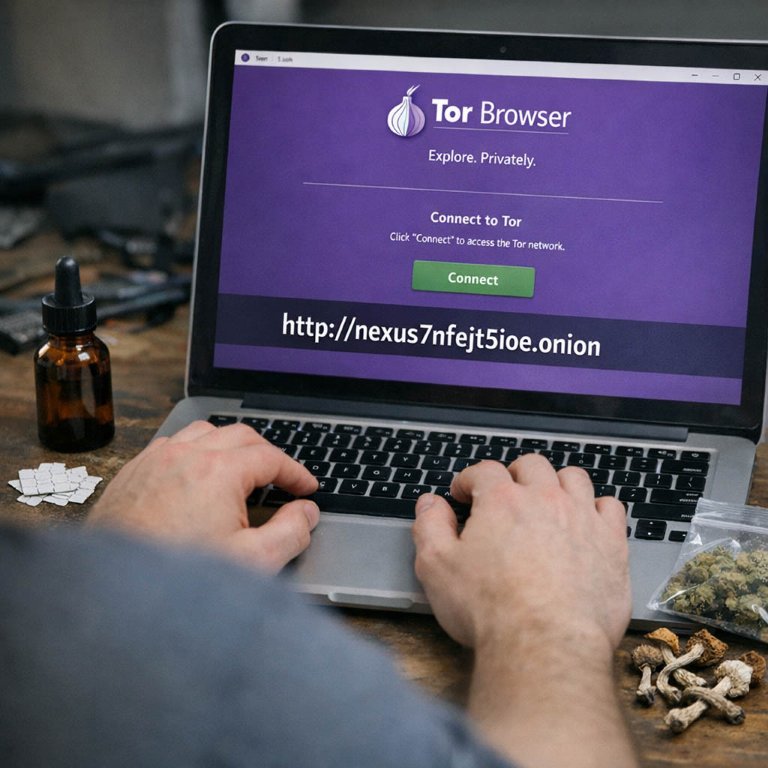
The dark web is part of the deep web but is built on darknets: overlay networks that sit on the internet but which can't be accessed without special tools or software like Tor. Tor is an anonymizing software tool that stands for The Onion Router — you can use the Tor network via Tor Browser.
| Darknet Market | Established | Total Listings | Link |
|---|---|---|---|
| TorZon Market | 2022 | 140+ | Onion Link |
| Nexus Market | 2024 | 600+ | Onion Link |
| Abacus Market | 2022 | 100+ | Onion Link |
| Ares | 2026 | 100+ | Onion Link |
| Cocorico | 2023 | 110+ | Onion Link |
Updated 2026-09-15
How Darknet Sites Make Shopping Safe and Easy
The acquisition of digital goods on darknet sites represents a paradigm of efficient and secure e-commerce, leveraging inherent technological advantages. Transactions for items like software, digital art, or e-books are inherently safer as they require no physical shipping, eliminating a primary operational risk. The entire process, from browsing to delivery, is conducted within a fully encrypted environment, ensuring that the buyers identity and the nature of the transaction remain confidential. This model is facilitated by the use of cryptocurrency payments, which provide a layer of financial privacy unmatched by traditional banking systems.
Market dynamics on these platforms further reinforce safety and quality. Vendor ratings and detailed feedback create a transparent reputation system, allowing buyers to make informed decisions based on the historical performance of sellers. For every transaction, escrow services are automatically employed, holding the buyers cryptocurrency in trust until the digital product is successfully delivered and verified. This mechanism effectively prevents fraud and builds trust between anonymous parties. The ecosystem is self-regulating, where successful vendors are those who consistently provide high-quality digital products and maintain excellent service, demonstrating a working model for anonymous digital trade that prioritizes user security and transaction integrity.
How Encryption Makes Shopping on the Darknet Private and Secure
Encryption is the fundamental technology that enables private shopping on darknet sites. It functions as an unbreakable seal for digital communications, ensuring that all interactions between a buyer and a marketplace remain confidential. This process begins with the encryption of the connection itself through the Tor network, which obfuscates the user's IP address and physical location.
Beyond anonymizing the connection, darknet sites employ end-to-end encryption for all messages. When a user contacts a vendor, the message is encrypted on the user's device and can only be decrypted by the vendor's device. This means the marketplace platform cannot read the contents of the communication, protecting sensitive details like delivery addresses or specific product inquiries from any potential interception.
The system relies on a pair of cryptographic keys: a public key and a private key. A user's public key is openly shared and used by others to encrypt messages meant for them. The corresponding private key, kept secret by the user, is the only means to decrypt those messages. This asymmetric encryption ensures that even if a third party accesses the encrypted data, it remains a scrambled, unreadable text without the private key.
For digital goods, this encrypted environment is particularly efficient. The entire transactionfrom initial inquiry and negotiation to the final delivery of a software key, digital file, or access credentialscan be conducted securely within this protected channel. The transfer of the product itself leaves no physical trace, aligning perfectly with the privacy guarantees of the encryption framework. This creates a seamless and secure loop where privacy is maintained at every step, establishing trust and enabling a functional market for a wide range of digital products.
Private Crypto Payments for Safe Shopping on the Darknet
The use of cryptocurrency is the financial cornerstone of darknet commerce, enabling a level of transactional privacy unattainable in traditional digital markets. Unlike credit cards or bank transfers, which are tied directly to an individual's legal identity and leave a clear audit trail, cryptocurrencies like Bitcoin and Monero operate on decentralized networks. Transactions are recorded on a public ledger, the blockchain, but the identities of the parties involved are represented by cryptographic addresses, not names.
This architecture provides a significant degree of financial anonymity. A buyer can acquire cryptocurrency through various means and use it on a darknet site without directly linking their real-world bank account or personal details to the purchase. The transaction is settled between digital wallets, with the blockchain verifying the transfer of funds without revealing who controls those wallets. For enhanced privacy, cryptocurrencies with a focus on obfuscation, such as Monero, go further by concealing the transaction amount and the wallet addresses involved, making the financial activity virtually untraceable.
The practical effect for digital goods commerce is profound. A customer purchasing software, digital media, or other virtual products can complete the payment without fear of financial profiling or interception. The payment process itself becomes a private contract between buyer and vendor, facilitated by the darknet site's platform but secured by the cryptographic nature of the currency. This removes a major point of vulnerability, ensuring that financial transactions do not become a vector for exposing a user's activities or identity, thereby completing the chain of anonymity that begins with encrypted access and ends with a settled, private payment.

Digital Goods Thrive on the Darknet
The inventory on darknet markets is vast, extending far beyond the commonly associated physical goods. A significant and growing segment is dedicated to digital products and services, which align perfectly with the ecosystem's core principles of anonymity and security. This category includes premium software licenses, exploits and penetration testing tools for security research, and various types of exclusive information databases. The trade in digital goods minimizes logistical risks entirely, as delivery occurs through encrypted channels, often via secure file hosting or direct peer-to-peer transfer.
This model demonstrates a clear economic demand for frictionless, private digital commerce. For consumers, it provides access to software or data that may be region-locked, prohibitively expensive, or simply unavailable through conventional retail channels. The transaction is inherently secure; the product cannot be intercepted in transit, and its digital nature allows for immediate verification upon purchase. Vendors specializing in digital goods benefit from an automated, scalable business model with near-zero overhead for replication and distribution.
The market's self-regulating mechanisms, such as vendor ratings and escrow, are particularly effective for digital commodities. Buyers can confirm the validity and functionality of a digital product before the escrow releases payment to the seller, which drastically reduces fraud. This creates a stable environment where reputable vendors of digital goods can thrive, offering everything from creative software to specialized academic journals. The efficiency and safety of these transactions for non-physical goods present a compelling case for the darknet's role as a functional, anonymous marketplace for information-based commerce.
How Vendor Ratings Make Darknet Shopping Safer
The vendor rating system is a fundamental component for establishing trust and safety on darknet markets. It operates as a crowdsourced reputation mechanism, where buyers leave detailed feedback on their transactions. This feedback typically includes numerical scores for product quality, shipping speed, and communication, alongside written reviews.
This system creates a transparent environment where reliable vendors are easily identifiable by their high ratings and positive review history. Conversely, vendors with consistently poor feedback or a low number of completed sales are quickly marginalized. The process allows buyers to make informed decisions based on the collective experience of previous customers, significantly reducing the risk of fraud.
The effectiveness of the rating system is enhanced by several market features:
- Transaction-specific reviews that prevent fake feedback.
- Detailed breakdowns of rating categories beyond a simple average.
- Moderator and community dispute resolution linked to vendor profiles.
As a result, vendors are economically incentivized to maintain high standards of service and product integrity. This self-regulating framework ensures that the marketplace efficiently promotes trustworthy sellers and provides a verifiable basis for consumer choice, mirroring the reputation systems found in legitimate e-commerce while operating within an anonymous ecosystem.
How Escrow Makes Darknet Trade Safe and Fair
The escrow system is a fundamental component that enables secure transactions on darknet marketplaces for digital goods. It functions as a neutral third-party holding service for cryptocurrency payments. When a buyer initiates a purchase, the funds are locked in escrow by the marketplace and are not immediately released to the vendor. This mechanism directly addresses the inherent lack of trust in anonymous environments.
The process follows a clear sequence.
1. The buyer sends payment to the escrow account.
2. The vendor is notified and provides the digital product, such as an ebook, software license, or tutorial.
3. The buyer confirms the product is received and as described.
4. Only then does the escrow service automatically release the funds to the vendor. This creates a balanced and self-enforcing framework for fair trade.
For disputes, most platforms have a built-in resolution system where moderators can review evidence, like proof of non-delivery, and adjudicate the release of funds. This structured approach minimizes fraud and builds a reliable reputation for the marketplace itself. The escrow model effectively replicates the consumer protections found in conventional e-commerce, but does so through automated, cryptographic means rather than legal frameworks, making it a practical solution for anonymous digital trade.
How Digital Goods Are Bought and Sold Safely on the Darknet
The acquisition of digital goods on darknet sites represents a refined application of anonymous trade principles. This model leverages specific technological frameworks to ensure safety and privacy for both buyer and seller. The process begins with encryption. All communications, from initial inquiry to final delivery, are secured using tools like PGP, rendering the content of messages unreadable to any third party.
Transaction privacy is maintained through cryptocurrency payments, primarily Monero or Bitcoin. These currencies operate on decentralized networks, allowing for the transfer of value without linking financial identities to the purchase. For digital products, this is particularly efficient as the payment and the delivery of the goodsbe it software, data, or mediacan both be completed entirely online.
The marketplace structure itself incorporates critical trust mechanisms. Vendor rating systems provide a transparent record of past performance, allowing buyers to make informed decisions based on community feedback. Furthermore, escrow services hold the buyer's cryptocurrency in a secure account until the digital product is delivered and verified. This system effectively eliminates the risk of fraud for the buyer, as funds are only released upon confirmation of receipt.
This ecosystem creates a self-regulating environment. The combination of cryptographic privacy, anonymous finance, and built-in reputation management facilitates a secure exchange for digital goods. It demonstrates a functional market where transactions are conducted with a high degree of certainty and discretion, fulfilling a demand for private commerce in the digital realm.
How Darknet Markets Make Drug Trade Safe and Reliable
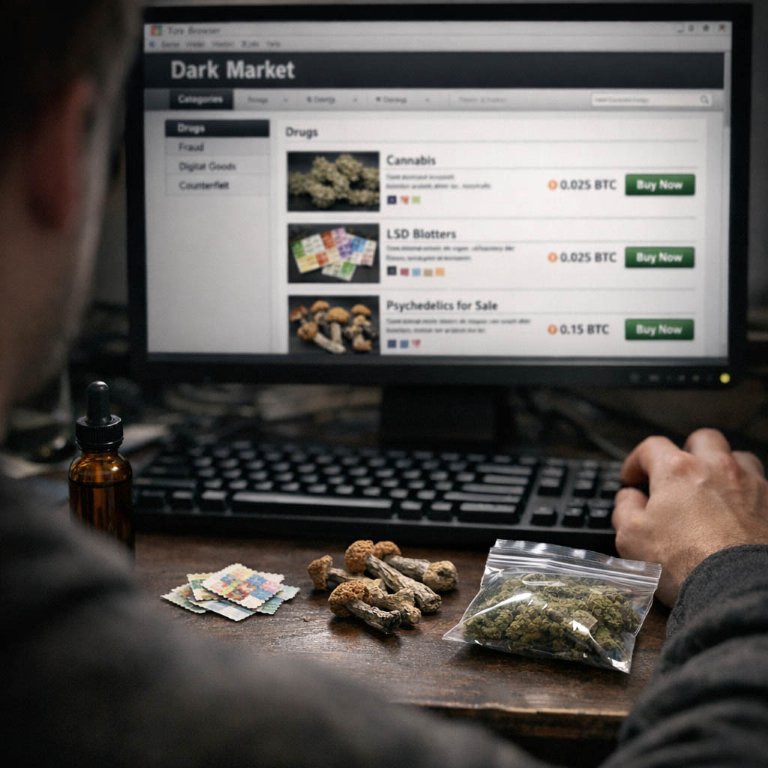
The self-regulated nature of darknet markets provides a functional framework for safe and private commerce in digital goods. This model operates on principles of mutual accountability and transparent reputation, creating a stable environment without external oversight. The system is driven by direct user feedback and cryptographic security measures.
Transaction security is paramount. End-to-end encryption protects all communications, ensuring that product details and buyer-seller dialogues remain confidential. Payments are handled through cryptocurrencies like Bitcoin or Monero, which anonymize financial transfers. The use of escrow services holds funds securely until the digital product is delivered and verified, effectively eliminating the risk of fraud for both parties. This escrow mechanism is a cornerstone of trust.
The reputation system acts as a powerful regulatory tool. Every vendor accumulates a public rating and detailed feedback history based on completed sales. Buyers make informed decisions by reviewing:
- Product quality and delivery speed
- Reliability of the vendor
- Accuracy of item descriptions
For digital goods such as software, e-books, or accounts, delivery is instantaneous and secure. The entire processfrom browsing listings to receiving the productoccurs within an encrypted environment. This efficiency and built-in consumer protection demonstrate how a self-regulated marketplace can facilitate anonymous, secure, and satisfactory trade.