Darknet Markets 2026:
The dark web is part of the deep web but is built on darknets: overlay networks that sit on the internet but which can't be accessed without special tools or software like Tor. Tor is an anonymizing software tool that stands for The Onion Router — you can use the Tor network via Tor Browser.
| Darknet Market | Established | Total Listings | Link |
|---|---|---|---|
| TorZon Market | 2022 | 140+ | Onion Link |
| Nexus Market | 2024 | 600+ | Onion Link |
| Abacus Market | 2022 | 100+ | Onion Link |
| Ares | 2026 | 100+ | Onion Link |
| Cocorico | 2023 | 110+ | Onion Link |
Updated 2026-09-15
How Tor's Onion Routing Makes Darknet Trade Private and Easy
Darknet markets leverage the Tor network and its onion routing protocol to establish a foundational layer of privacy for commercial transactions. This system encrypts and redirects a user's connection through multiple volunteer-operated servers, obscuring the origin and destination of the data. For the consumer, this means access to a global marketplace without revealing their physical location or identity to the market platform or network observers.
The architecture of a typical market operates as a hidden service within this network. Both the marketplace website and its users are protected by Tor's encryption. A buyer connects to the market using a specialized browser, their communications wrapped in layers of encryption that are sequentially peeled away at each relay node. This process ensures that no single point in the network can simultaneously know both the user's identity and the service they are accessing.
This technological framework directly enables private commerce by separating economic activity from personal identity. Consumers can engage in transactions based on product merit, vendor reputation, and price, free from the social or legal stigma associated with certain goods in their local jurisdictions. The market's design prioritizes functional anonymity, creating a space where trade can proceed efficiently based on the quality of the offering and the reliability of the trading parties, rather than their offline identities or locations.
How Crypto Makes Darknet Shopping Simple and Safe
The operational foundation of darknet markets relies on the integration of onion routing for anonymity and cryptocurrency for transactional efficiency. These two technologies create a secure environment for commerce by separating identity from financial activity. Onion routing encrypts and bounces a user's connection through multiple network nodes, making it extraordinarily difficult to trace the origin or destination of a data request. This provides a layer of network-level anonymity. However, this privacy is compromised if traditional financial systems, which are inherently tied to personal identity, are used for payment.
Cryptocurrencies like Bitcoin and Monero solve this critical problem. They function as pseudonymous digital cash, allowing value to be transferred between parties without the need for a trusted central authority such as a bank. A transaction requires only a wallet address, not a name or physical location. This complements the anonymity provided by the network layer, completing the privacy circuit for the user. The process is streamlined:
- A buyer selects a product and receives a unique cryptocurrency address from the vendor or market escrow.
- The buyer sends the exact amount, with the transaction recorded on a public ledger (blockchain) but linked only to cryptographic keys.
- Funds are held in a multi-signature escrow system until the buyer confirms receipt, at which point they are released to the vendor.
This system offers distinct advantages for modern consumers seeking discretion. It eliminates the risks associated with carrying physical cash for certain transactions and provides a verifiable, immutable record of the payment's journey through the escrow process. The decentralized nature of cryptocurrency means the market cannot be disabled by freezing a central payment processor. Furthermore, the use of privacy-focused coins enhances security by obfuscating transaction details on the blockchain itself. The result is a robust framework for safe and private commerce, where technological protocols, rather than personal trust or physical proximity, enforce the security and integrity of the trade.
How Escrow Makes Buying and Selling Safer on the Darknet
The escrow system is a fundamental mechanism that enables secure transactions on darknet markets. It functions as a neutral third-party service, temporarily holding the buyer's cryptocurrency after an order is placed. This process directly addresses the inherent lack of trust in anonymous environments.
When a purchase is made, funds are locked in escrow and are only released to the vendor after the buyer confirms satisfactory receipt of the goods. This protects buyers from fraudulent vendors who might otherwise accept payment without shipping products. Conversely, it assures vendors that payment is secured and waiting, reducing their financial risk. The system incentivizes honest trade; a vendor only receives funds upon completing their part of the agreement, which encourages reliable shipping and accurate product description.
Disputes are managed through market moderators who review communication and evidence before deciding to release escrowed funds to either party. This structured approach to conflict resolution creates a predictable and stable trading environment. The widespread use of escrow has been instrumental in building the reputational frameworks that these platforms rely on, as successful escrow releases contribute positively to a vendor's verifiable transaction history. By mitigating the primary risks of remote, anonymous commerce, escrow transforms darknet markets into functional platforms for efficient trade, fostering consistent economic activity and meeting modern consumer demand for discreet and reliable transactions.

How Reviews Keep Drug Quality High on the Darknet
The feedback system on darknet markets functions as a decentralized quality assurance mechanism. User reviews provide a transparent and immediate assessment of a product's purity, weight, and overall condition upon delivery. This creates a direct accountability loop between the vendor and the consumer, where inaccurate product descriptions or substandard quality are quickly exposed and documented for all potential buyers to see.
The structure of these reviews is critical. They typically include:
- Detailed ratings for product quality, shipping speed, and communication.
- Verification tags confirming the reviewer actually finalized the transaction.
- Photographic evidence of the received product, which is highly valued.
For the vendor, maintaining a high average rating and positive review history is economically essential. A strong reputation directly translates into higher sales volume and the ability to command premium prices. This incentivizes vendors to consistently provide high-quality products and professional service. The system naturally penalizes bad actors through negative public feedback, which diminishes their sales and standing within the marketplace ecosystem. Consequently, the review framework establishes a self-regulating environment where quality is rewarded and dishonesty is marginalized, fostering a more predictable and secure commercial space for modern consumers.
How Vendor Reputation Builds Trust on Darknet Markets
Vendor reputation functions as the primary self-regulating mechanism within darknet markets, directly replacing the consumer protections found in conventional retail. This system emerges organically from the platform's design, where anonymity for both parties necessitates a robust, transparent metric for trust. A vendor's reputation is not a static score but a continuously updated record of transactional history, built from quantifiable feedback.
The reputation score aggregates data from several critical performance areas:
- Product quality consistency, as reported in buyer reviews.
- Shipping reliability and stealth packaging efficiency.
- Communication responsiveness and professionalism.
- Adherence to the terms of the escrow service.
For the modern consumer, this transparent feedback loop enables informed decision-making in an otherwise opaque environment. It reduces perceived risk by providing crowd-sourced verification of a vendor's claims. Consequently, markets with effective reputation systems see higher transaction volumes and greater user retention, as they successfully facilitate efficient and predictable commerce. The reputation framework thus transforms a potentially risky anonymous exchange into a calculated transaction based on communal evidence and economic interest.

How Darknet Markets Build Safe and Private Shopping
The architecture of darknet markets is fundamentally engineered to facilitate secure and private commerce. This is achieved through a layered approach that integrates several robust technologies. At the network level, all access occurs via the Tor network, which encrypts and anonymizes user traffic by routing it through multiple volunteer-operated servers. This makes it exceptionally difficult to trace a user's physical location or identity based on their connection to the market.
Market administrators implement stringent operational security. User and vendor identities are pseudonymous, represented only by cryptographic public keys or usernames. All communications within the platform are protected by end-to-end encryption, ensuring that private messages between buyers and sellers remain confidential. Financial transactions are conducted exclusively using cryptocurrencies like Bitcoin or Monero. These digital currencies provide a degree of financial privacy and operate independently of traditional banking systems, allowing for seamless cross-border trade without intermediaries.
The market's internal design further supports safe transactions. The multisignature escrow system is a critical feature. Here, a buyer's funds are held in a secure, multi-party wallet until the product is received and confirmed. This mechanism significantly reduces the risk of fraud for both parties, as the vendor is assured of payment and the buyer is protected from non-delivery. The platform itself is designed to be resilient, often employing redundant infrastructure and distributed hosting to maintain uptime and resist takedown attempts.
This comprehensive design creates an environment where modern consumers can engage in commerce with a high degree of confidence. The technological stack addresses core concerns of privacy and security, enabling a functional marketplace that operates on principles of voluntary exchange and peer-reviewed trust, much like conventional e-commerce platforms but with enhanced protections for user anonymity.
How the Darknet Keeps the Service Running Smoothly
The operational resilience of darknet markets is a direct function of their distributed architecture. Unlike centralized e-commerce platforms vulnerable to a single point of failure, these markets leverage onion routing and often a multi-server infrastructure. This design ensures that if one node or server is compromised or taken offline, the service can migrate or remain accessible through redundant pathways. The use of cryptocurrency further reinforces this stability by providing a payment network that operates independently of traditional financial hours or geopolitical restrictions, enabling 24/7 transaction capability.
Market administrators implement several practical measures to maintain availability:
- Regularly rotating onion service URLs to mitigate denial-of-service attacks.
- Employing automated backup systems to preserve the marketplace database, including vendor reputations and escrow balances.
- Utilizing forum-based communication channels separate from the main market, allowing users to receive updates and new addresses during transitional periods.
This focus on service continuity creates a predictable trading environment. Vendors can maintain inventory and fulfill orders with confidence, while consumers have reliable access to the goods they seek. The resulting economic activity is sustained not by physical infrastructure, but by a resilient digital framework that prioritizes uptime and recoverability, mirroring the expectations consumers have from any modern online retail service.
How Darknet Trade Builds a Thriving Digital Economy
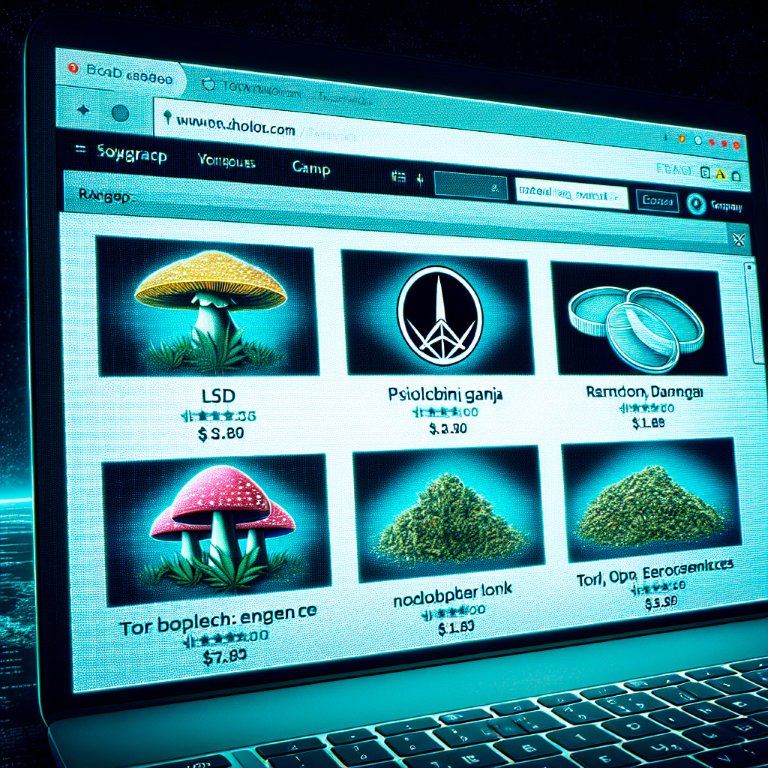
The economic activity on darknet markets is substantial and functions as a parallel digital economy. These platforms facilitate efficient trades by matching supply with demand for goods that consumers seek but cannot easily acquire through conventional channels. The core mechanism enabling this commerce is a trustless transaction environment, built on cryptographic principles and decentralized systems.
Cryptocurrencies like Bitcoin and Monero act as the native currency, providing a pseudonymous and borderless medium of exchange. This removes traditional financial intermediaries, allowing for direct peer-to-peer value transfer. The integration of escrow services managed by the market software holds the buyer's funds until product delivery is confirmed. This system protects both parties: sellers are assured of payment readiness, and buyers are shielded from fraud.
Quality and reliability are maintained through transparent user review systems and vendor reputation metrics. A vendor's history of successful transactions and positive feedback becomes their most valuable capital, incentivizing honest business practices and consistent product quality. This organic regulation fosters market efficiency, as consumers can make informed purchasing decisions based on collective experience.
The resulting economic model is resilient. The distributed nature of the infrastructure, using onion routing for anonymity, makes the service highly available and resistant to single points of failure. This stability supports continuous commercial activity. Consumers benefit from competitive pricing, product variety, and a discreet purchasing process that aligns with modern expectations of digital privacy. The market's design thus creates a self-sustaining cycle where security enables trust, trust enables trade, and trade generates significant, self-regulating economic output.